
Medical clinics must choose between PPC and SEO based on goals, timelines, and competition. Both channels serve different purposes, and understanding when to use each helps maximize return while maintaining ethical marketing standards.
PPC is ideal when immediate visibility is required. Clinics launching new locations, offering limited-time services, or competing in highly saturated markets benefit from paid ads. PPC ensures clinics appear at the top of search results instantly, capturing urgent or high-intent searches such as emergency care or same-day appointments.
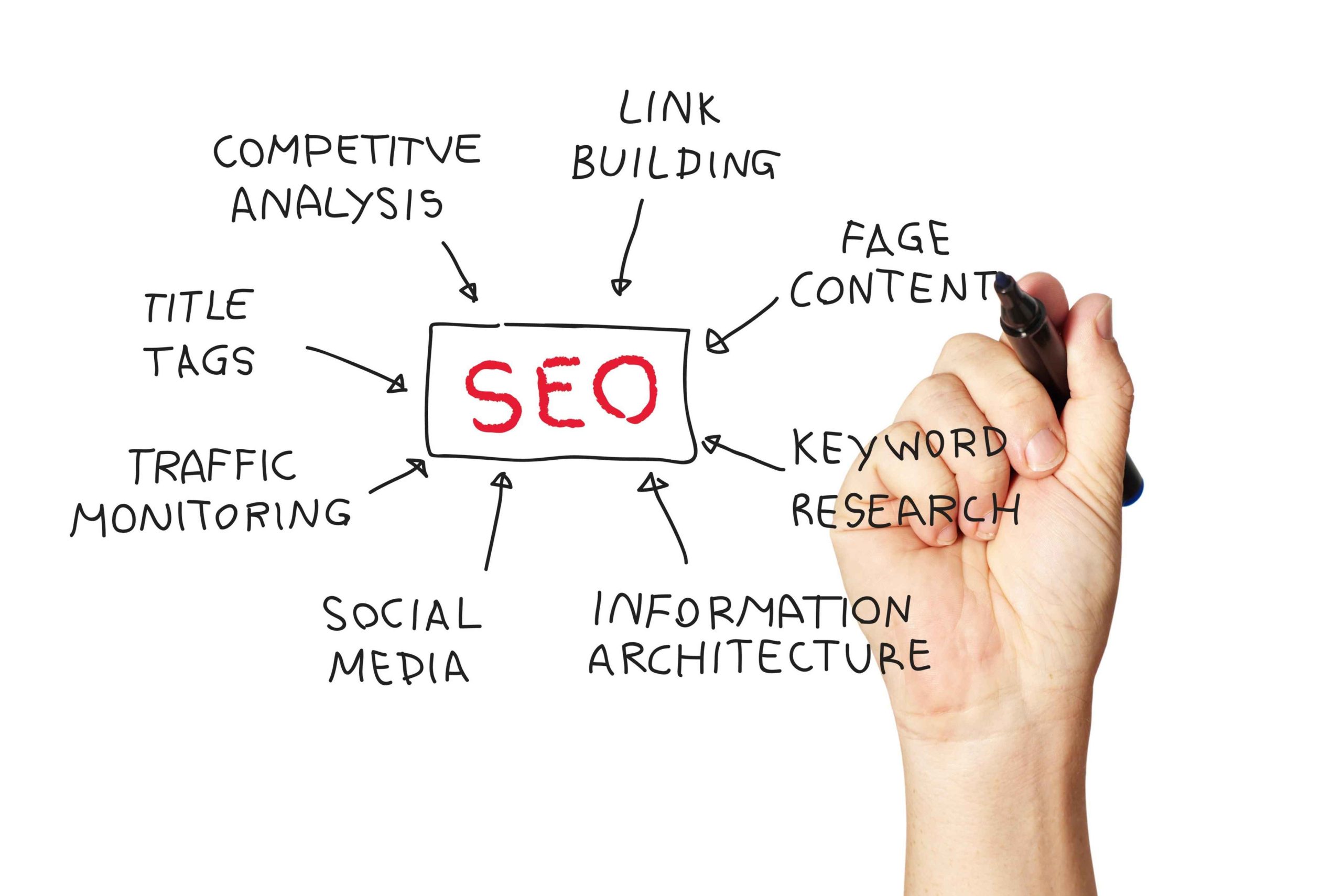
SEO is better suited for long-term growth. Clinics seeking sustainable visibility for services, conditions, and educational topics should invest in SEO. Organic rankings build gradually but provide consistent traffic without ongoing ad costs. SEO is especially effective for informational searches and patient education.
Budget considerations matter. PPC requires continuous spend, and costs increase in competitive medical markets. Clinics with limited budgets may rely more on SEO, accepting slower results in exchange for long-term stability. Larger clinics often use PPC selectively to support SEO.
Search intent also influences the choice. Transactional keywords with strong purchase intent often perform well in PPC. Informational queries, such as symptoms or preventive care, are better addressed through SEO content.
Trust plays a role. Some patients trust organic results more than ads, especially for healthcare decisions. SEO builds authority and credibility over time, which PPC alone cannot achieve.
The most effective approach is often sequential. Clinics may start with PPC to generate early traffic, then transition focus to SEO as rankings improve. Over time, reliance on paid ads can decrease.
Choosing PPC versus SEO is not an either-or decision. Clinics that understand timing, intent, and resources can use both channels effectively, ensuring visibility, trust, and sustainable patient growth through balanced digital strategies.